Is Peachtree Park A Smart Play For Small Investors?
May 21, 2026
May 21, 2026
Wondering if Peachtree Park is the kind of Buckhead neighborhood where a small investment can actually make sense? That is a fair question, especially when you are weighing high purchase prices against the kind of rental income a property may realistically produce. If you are looking at Peachtree Park through an investor lens, this guide will help you understand where the opportunity is, where the limits are, and what to watch before you buy. Let’s dive in.
Peachtree Park stands out because of its location and its limited housing supply. The neighborhood sits near Peachtree and Piedmont Roads, west of Lenox Square, with access to MARTA options and the Bynum Bridge connection to Lenox Square Mall and Shops Around Lenox. In Buckhead, that kind of convenience matters.
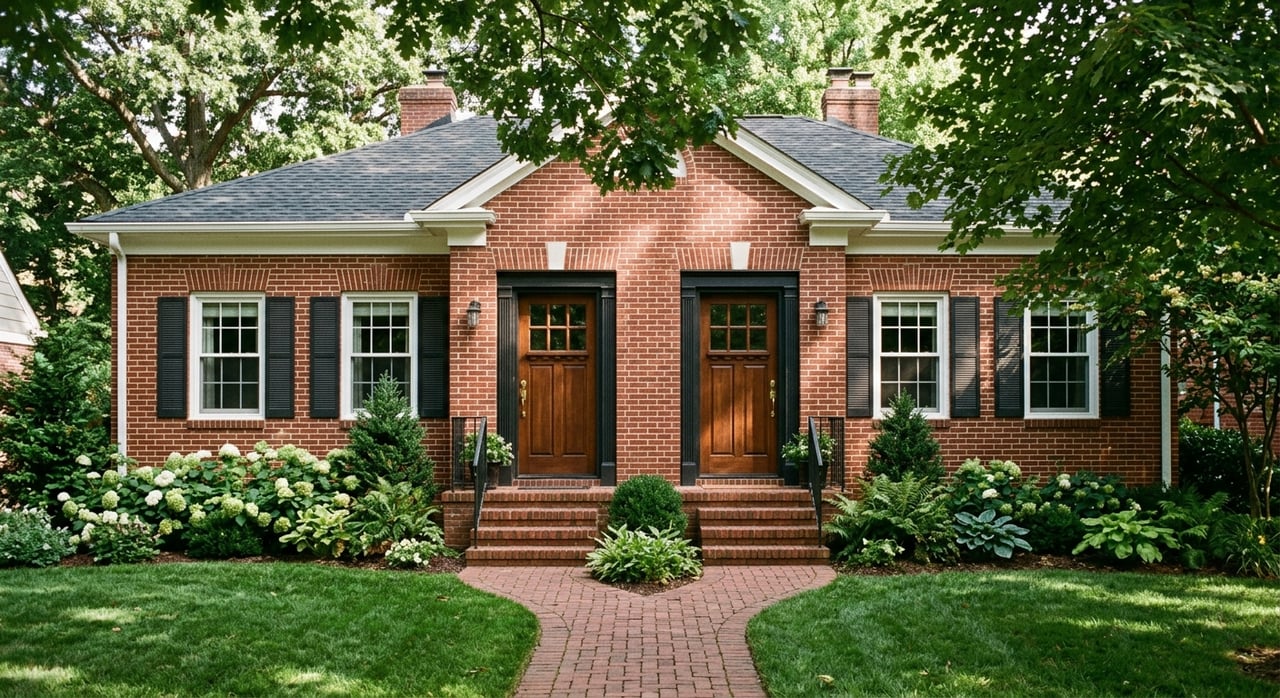
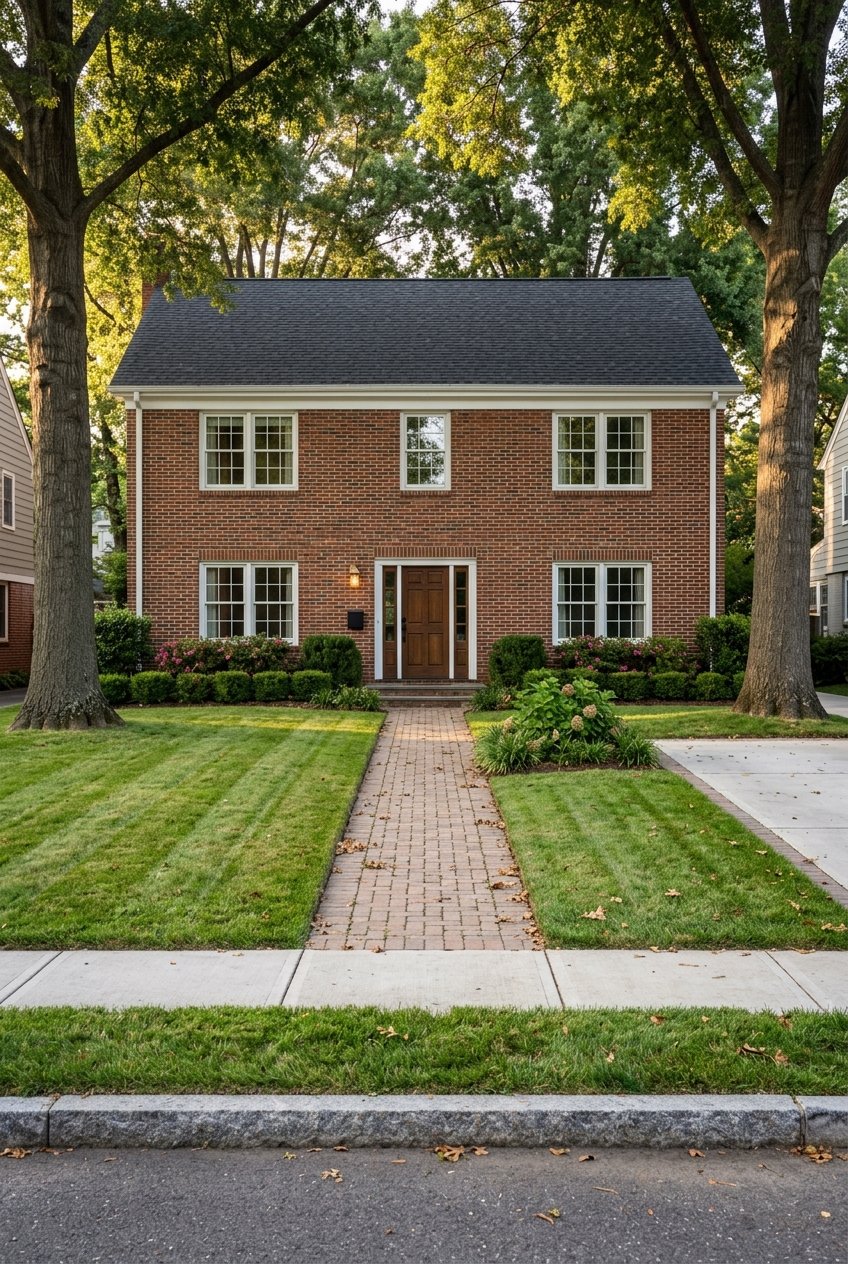
The neighborhood itself is also a very specific product type. Peachtree Park has about 550 homes on 13 streets, and the housing stock leans heavily toward single-family homes with only a few duplexes. That creates scarcity, which can support long-term demand in a location tied closely to Buckhead’s office, retail, and trail network.
Buckhead is also a major employment and lifestyle hub. Buckhead ATL describes the area as Atlanta’s premier business district with more than 21.7 million square feet of office space, along with strong retail presence. PATH400 adds another layer of appeal by linking neighborhoods, parks, retail, and the Buckhead core.
If you are a small investor, Peachtree Park is probably not the kind of neighborhood you target for easy monthly cash flow. Based on current listing data, the price-to-rent relationship can be tough. That does not mean the area is a bad investment, but it does mean your strategy needs to fit the neighborhood.
The stronger case for Peachtree Park is usually about scarcity, location, and long-term hold potential. If you value being in a tightly held Buckhead micro-market and you are comfortable with a more patient investment thesis, this neighborhood may deserve a closer look. If your goal is immediate cash flow at purchase, you may find the numbers harder to justify.
One thing that jumps out right away is how little visible rental inventory there is. Realtor.com neighborhood data through February 2026 shows only 2 rentals and 7 homes for sale in Peachtree Park, and the market is labeled a seller’s market. For investors, that limited supply can be a positive sign for scarcity, but it also makes underwriting harder because there are fewer clear rental comps.
Current asking rents also vary widely. Zillow shows examples ranging from about $1,700 for a 1-bedroom apartment to $1,900 for a 2-bedroom house, $4,295 for a 4-bedroom house, and much higher asking figures on some luxury properties. Apartments.com shows similarly wide edge cases, which suggests you need to be careful about assuming any one listing reflects the whole neighborhood.
Peachtree Park is not a low-cost rental play. The likely renter profile is someone who values convenience, access, and neighborhood feel more than bargain pricing. That can include Buckhead office workers, relocating professionals, couples, and downsizers looking for a central in-town location.
That tenant demand story lines up with the neighborhood’s setting. You are near office concentration, shopping, dining, MARTA access, and PATH400, all of which can make the area appealing to renters who want lifestyle and commute advantages. In other words, the draw is less about discount rent and more about position within Buckhead.
This is where small investors need to stay grounded. Using Realtor.com’s median listing price of $1,034,850 and current Zillow rental examples, the rough gross yield works out to about 5.0% at $4,295 per month, 2.2% at $1,900 per month, and 2.0% at $1,700 per month before expenses. Those are broad estimates, not full underwriting, but they tell an important story.
At current asking levels, many detached homes in Peachtree Park may not generate strong cash flow as straightforward long-term rentals. Once you factor in taxes, insurance, maintenance, vacancy, and capital improvements, the margin can narrow quickly. For that reason, a full-price purchase often looks more attractive as an appreciation play than as a pure income property.
Peachtree Park can still be a smart move if you are selective. The best opportunities are likely to come from situations where your basis is favorable, where the property has clear add-value potential, or where the layout supports future rental flexibility. In a neighborhood like this, buying well matters as much as managing well.
A few investor profiles may find the neighborhood especially interesting:
That last point can be especially important in a neighborhood with limited inventory. A property that works for multiple exit paths often carries more resilience if market conditions shift.
In Peachtree Park, renovation plans deserve extra scrutiny. The City of Atlanta says zoning rules can affect height, placement, density, and parking, and that approvals may be required for new construction, additions, demolitions, accessory structures, fences, roofs, windows, tree removal, and work in historic districts depending on scope and zoning district. The city also notes that exterior work on a designated historic or landmark property requires a Certificate of Appropriateness.
This matters because Peachtree Park has a historic development pattern and a neighborhood character that many stakeholders want to preserve. The National Park Service nomination notes deep, narrow lots, mature trees, and a mix of historic house types with additions over time. Those conditions can make projects more complex from both a design and permitting standpoint.
The neighborhood’s draft master plan also emphasizes preserving Peachtree Park as a single-family neighborhood, while directing neighborhood-friendly business activity to Peachtree and Piedmont Roads. For investors, that is a reminder not to assume every lot supports the same kind of expansion or conversion strategy. Parcel-level verification is essential.
If you are evaluating a Peachtree Park property, focus on the details that can make or break returns. In a neighborhood where prices are high and rental comps are thin, small errors in assumptions can have an outsized impact.
Here are some of the biggest items to pressure-test:
This is also where local, street-level market knowledge matters. Two homes in the same neighborhood can have very different investor appeal based on layout, condition, access, and how well the home fits what renters are actually seeking in Buckhead.
The honest answer is yes, but only for the right strategy. Peachtree Park looks more compelling as a long-term, scarcity-driven Buckhead hold than as a high-yield rental buy. Its location, neighborhood character, and limited supply support demand, but the current price-to-rent relationship calls for careful underwriting and renovation discipline.
If you are a small investor who wants immediate income, Peachtree Park may feel tight. If you are an investor who values location, lifestyle demand, and future optionality in a well-known Buckhead micro-market, it can absolutely be worth serious consideration. The key is buying with a clear plan, not just buying into the name.
In a neighborhood this nuanced, having the right local lens can save you time and help you avoid expensive assumptions. If you want a tailored read on Peachtree Park inventory, rent potential, or renovation fit, Anna Wynne Stephens can help you build a personalized Buckhead market plan.
Stay up to date on the latest real estate trends.




Bringing together a team with the passion, dedication, and resources to help our clients reach their buying and selling goals. With you every step of the way.
Get in Touch With Our Team to Learn More

Ansley Real Estate Christie's International Real Estate
3035 Peachtree Rd NE #202 Atlanta GA 30305