Brookwood Hills Historic Homes and Neighborhood Appeal
May 14, 2026
May 14, 2026
If you are looking for an intown Atlanta neighborhood with real architectural character, Brookwood Hills tends to stand out quickly. It offers a rare mix of historic design, established green space, and community amenities in a location where Buckhead meets Midtown. Whether you are exploring a move, weighing long-term appeal, or trying to understand what makes this area distinct, this guide will walk you through Brookwood Hills’ architecture, amenities, and lasting appeal. Let’s dive in.
Brookwood Hills was founded in 1922 and is recognized as one of Atlanta’s earliest suburban developments. The City of Atlanta describes it as a small residential district planned and built primarily in the 1920s. That history still shapes how the neighborhood looks and feels today.
What makes the setting memorable is that Brookwood Hills was planned as more than a set of individual homes. It was designed as an early 20th-century residential landscape with curving streets, park-like surroundings, and limited through traffic. Even now, that original planning gives the neighborhood a calm, enclosed feel that can be hard to find in a central intown location.
The neighborhood also developed in phases, which helps explain its balance of consistency and variety. Early development between 1922 and 1924 included Palisades, Huntington, Northwood, and Woodcrest, with later growth adding streets like Brighton, Camden, Wakefield, Montclair, and Parkdale, along with the central recreation area. As a result, Brookwood Hills feels cohesive without feeling overly uniform.
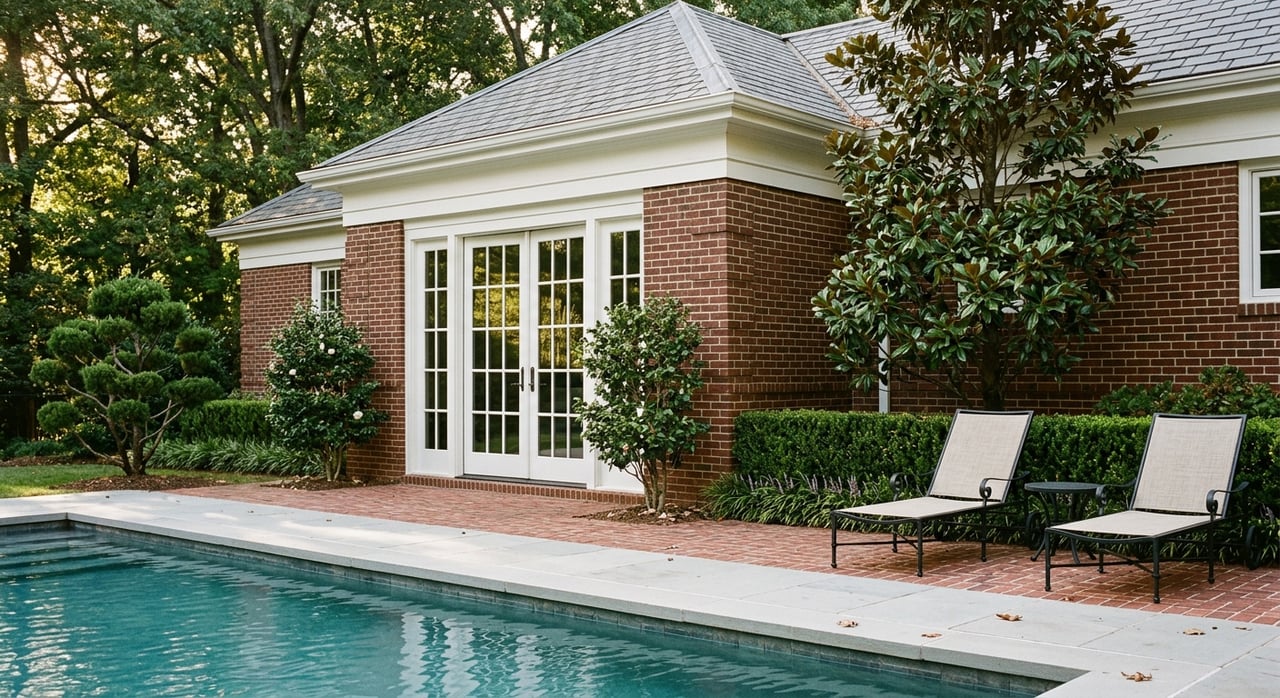
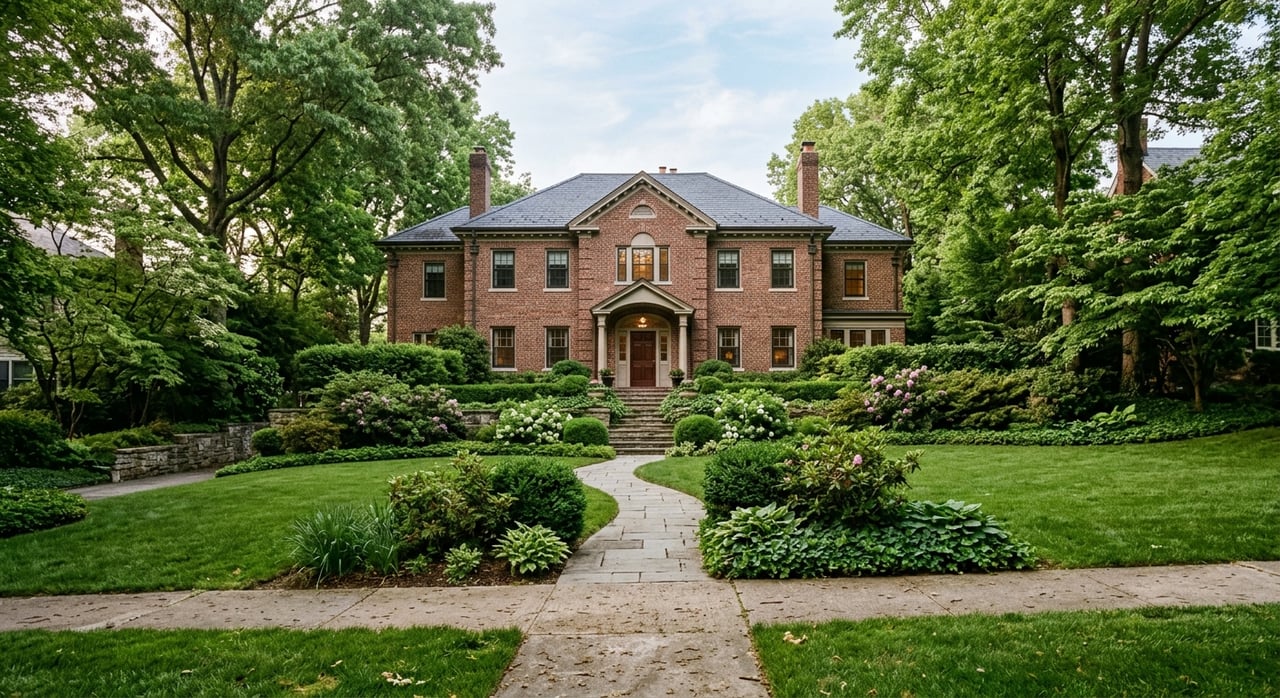
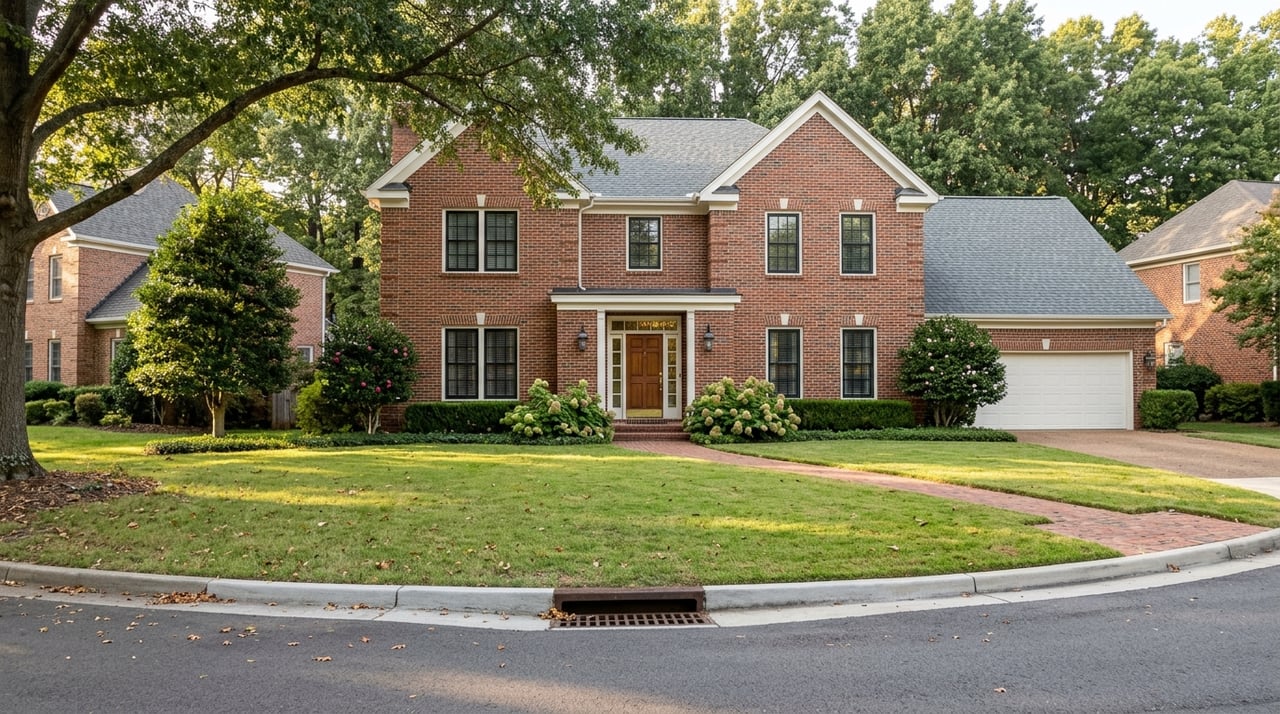
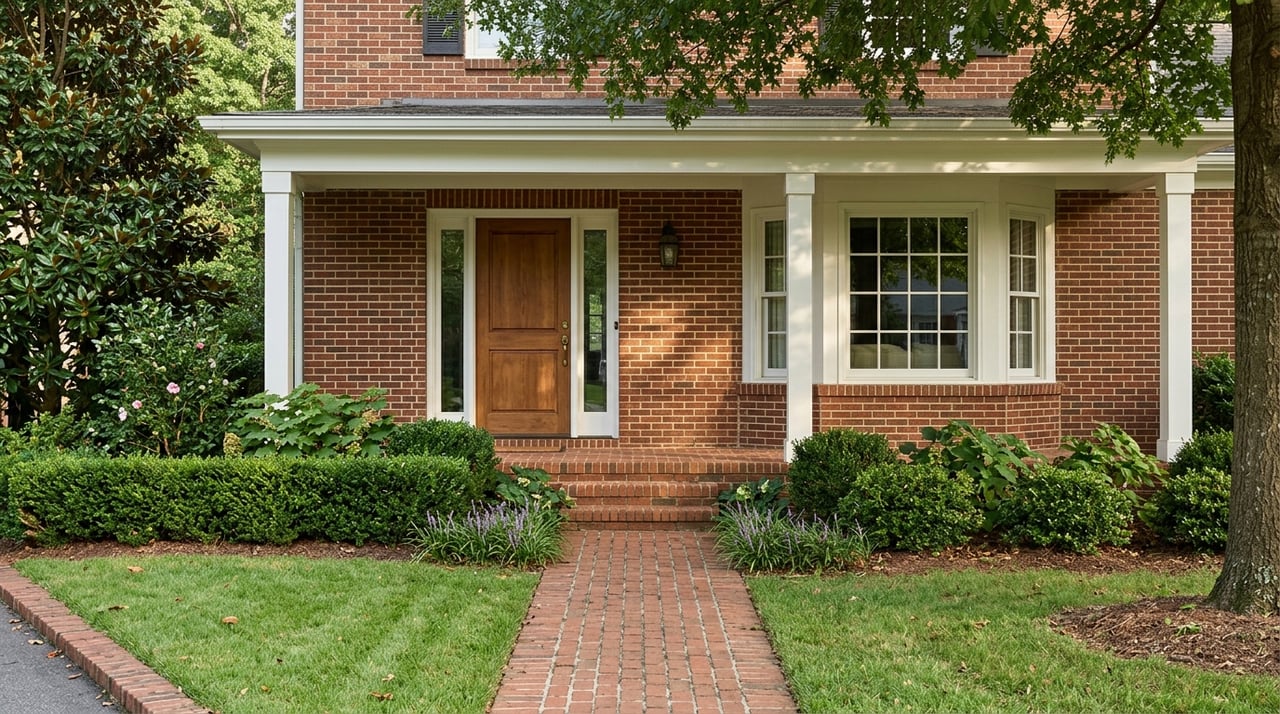
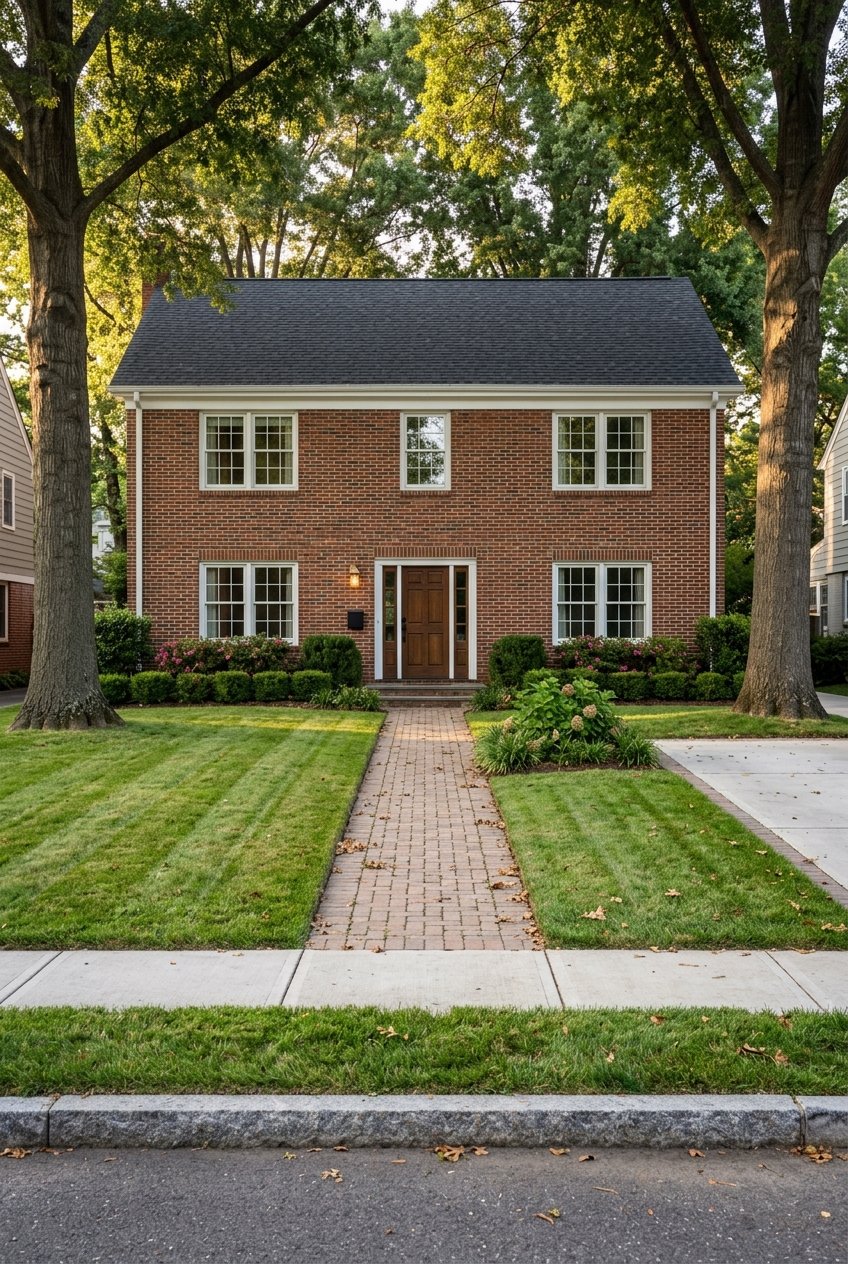
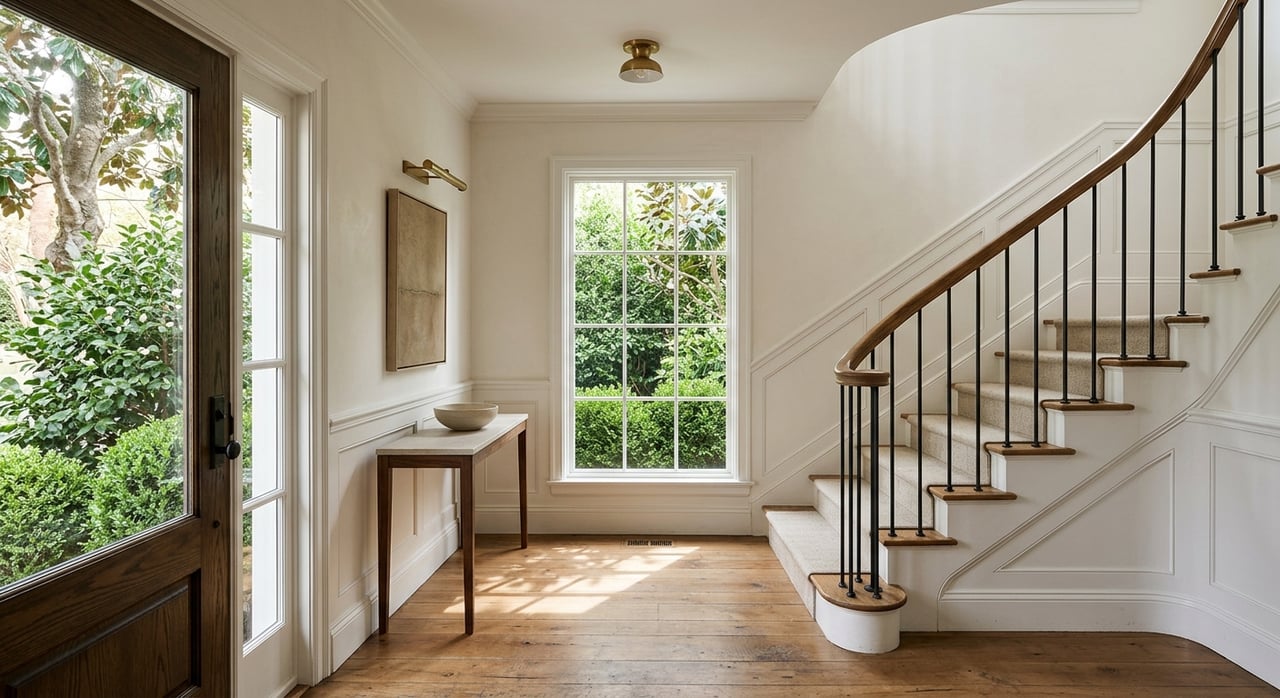
Brookwood Hills is best understood as a neighborhood where architecture and streetscape work together. The dominant styles are revival-era homes, including English Vernacular Revival, Colonial Revival, and Neoclassical Revival. You will also find several Craftsman bungalows, which add another layer to the neighborhood’s visual mix.
Common exterior materials include brick, clapboard, stone, terra-cotta tile, and slate. These materials help create the timeless look many buyers associate with established Atlanta neighborhoods. They also support the sense that the homes belong to the landscape rather than competing with it.
The area has a noticeable internal pattern from street to street. Larger houses are concentrated on Palisades Road and Wakefield Drive, while two-story homes are common on Camden Road, Brighton Road, Woodcrest Avenue, and Northwood Avenue. Huntington Road has the heaviest concentration of bungalows and cottage-type houses.
Several notable architects and builders are associated with the neighborhood, including Neel Reid, Walter Downing, Flippen Burge and Preston Stevens, Ivy and Crook, Marye, Alger and Vinour, Pringle and Smith, and H. W. Nicholes. For buyers who appreciate design history, that roster adds another layer of interest. It also helps explain why the neighborhood has such a strong architectural identity.
Part of Brookwood Hills’ appeal comes from details you notice while simply driving or walking through it. The subdivision was designed with curving streets, regular street-tree and crape-myrtle plantings, and shallow setbacks. Those elements create a more intimate rhythm than a typical grid layout.
The City of Atlanta also notes the enclave feel created by reduced through traffic. Brookwood Hills has only three entrances to Peachtree Road, which supports that quieter internal experience. In practical terms, you get a neighborhood that feels tucked away while still being very close to major intown destinations.
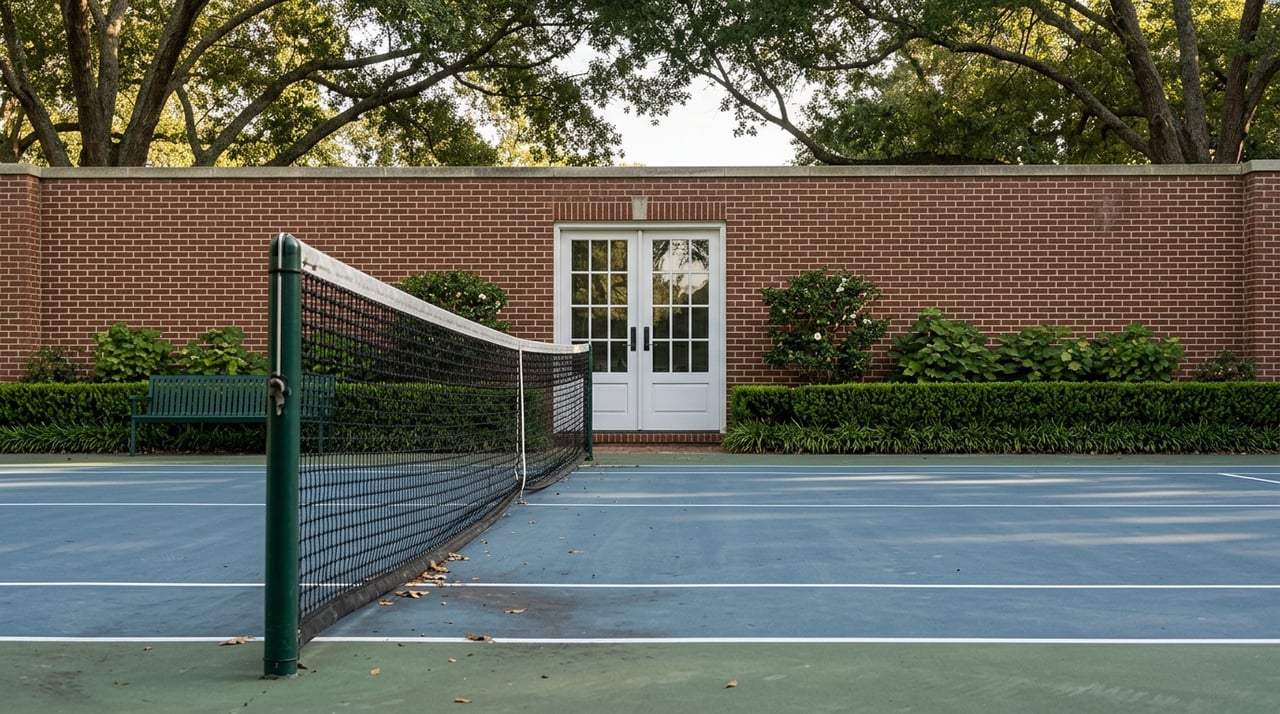
The Brookwood Hills Community Club is central to the neighborhood’s identity. Current club materials describe pool membership, swim team access, tennis courts, ALTA teams, social events, a park, and a playground. For many buyers, that amenity package is part of what makes Brookwood Hills feel like more than just a collection of beautiful homes.
The club grounds cover more than 5 acres, and the neighborhood also includes 75 acres of protected green space according to club history. The City of Atlanta’s historic record adds that the recreation land was set aside in 1926 and later became neighborhood-owned club property. Today, that area still includes a pool, tennis courts, play areas, and a clubhouse.
That combination of recreation and open space gives the neighborhood a lifestyle component that stands out in intown Atlanta. Instead of relying only on nearby city amenities, Brookwood Hills has a built-in community framework. For many buyers, that contributes to the neighborhood’s long-term appeal.
Location is a major part of the Brookwood Hills story. The neighborhood is commonly described as an intown enclave where Buckhead meets Midtown. That framing fits because it combines close-in convenience with a more sheltered residential setting.
This blend is a big reason Brookwood Hills attracts steady interest. You are near major Atlanta destinations, but the neighborhood itself was intentionally protected from through traffic. That central-yet-quiet dynamic is difficult to replicate and often becomes one of the first things buyers notice.
Brookwood Hills is both a National Register historic district and a City of Atlanta conservation district. Those two designations are related, but they do not mean exactly the same thing. If you are considering a purchase here, it is helpful to understand that distinction early.
National Register listing does not by itself restrict a private owner’s use, transfer, or treatment of a property. That point is confirmed by both the Georgia state historic preservation office and the National Park Service. So if you hear that National Register status automatically prevents changes, that is not an accurate way to describe it.
The local conservation district rules are the part that buyers need to pay attention to. According to the City of Atlanta, conservation districts are reviewed differently from full historic districts. A Certificate of Appropriateness is not required, but proposed construction, alteration, demolition, or moving of a property in a conservation district must still be reviewed and written recommendations must be issued before a permit can move forward.
In plain terms, Brookwood Hills is not a no-rules district, but it is not regulated as tightly as a full local historic district. If you are thinking about exterior changes or a major renovation, understanding that review process is an important part of due diligence. This is especially true in a neighborhood where streetscape continuity is part of the appeal.
Brookwood Hills has a strong identity, and that matters in real estate. The preserved streetscape, historic architecture, central recreation amenities, and protected green space all work together to create a neighborhood that feels established and intentional. Buyers are often responding to that complete experience, not just a single feature.
The City of Atlanta says the neighborhood has maintained its early-20th-century atmosphere, appearance, and integrity despite urbanization around it. That helps explain why Brookwood Hills continues to stand out in a highly competitive intown market. It offers a sense of continuity that many buyers value.
It is also important to frame appeal carefully. The strongest case for Brookwood Hills is not a guaranteed pricing premium, but a combination of design character, neighborhood identity, amenity depth, and location. Resale performance is always market-dependent, but these qualities can support lasting buyer interest.
If Brookwood Hills is on your shortlist, it helps to look at the neighborhood from several angles at once. A home here may offer historic character, but the setting and review requirements are also part of the ownership experience. The right fit usually comes down to how much you value architecture, amenities, and location together.
Here are a few smart questions to ask as you evaluate options:
Because Brookwood Hills has a clear street-by-street pattern, local guidance can make a difference. Some buyers are drawn to larger homes on streets like Palisades Road or Wakefield Drive, while others prefer the scale and feel of bungalow and cottage areas such as Huntington Road. Knowing those distinctions can help you narrow your search more efficiently.
If you are trying to compare Brookwood Hills with nearby Buckhead and Midtown-adjacent options, the biggest differentiator is often the package as a whole. Few neighborhoods combine early suburban planning, established architectural consistency, recreational amenities, and a protected enclave feel in quite the same way.
Brookwood Hills continues to attract attention because it offers more than a pretty streetscape. It delivers a well-defined neighborhood experience shaped by 1920s planning, revival-era architecture, meaningful community amenities, and an unusually central location. For buyers who want intown convenience with strong identity and timeless character, that combination is hard to overlook.
If you are considering Brookwood Hills or comparing it with other Buckhead-area micro-markets, working with a team that understands the nuance from street to street can help you make a more confident decision. To start a personalized conversation about Brookwood Hills and nearby intown neighborhoods, connect with Anna Wynne Stephens.
Stay up to date on the latest real estate trends.
Bringing together a team with the passion, dedication, and resources to help our clients reach their buying and selling goals. With you every step of the way.
Get in Touch With Our Team to Learn More

Ansley Real Estate Christie's International Real Estate
3035 Peachtree Rd NE #202 Atlanta GA 30305