Peachtree Hills Neighborhood Guide for Buckhead Living
April 16, 2026
April 16, 2026
Looking for a Buckhead neighborhood that feels more tucked-in village than big-city bustle? Peachtree Hills stands out for exactly that reason. If you want a closer look at what makes this intown pocket so appealing, this guide will walk you through its history, housing, park life, dining spots, and everyday convenience. Let’s dive in.
Peachtree Hills sits in Buckhead’s NPU B and is often described as a smaller, tree-lined intown neighborhood rather than a large district. The area has a quieter, village-like feel while still placing you close to the energy of Atlanta.
That contrast is a big part of its appeal. You get Buckhead access, but the streetscape and daily rhythm feel more residential and grounded.
Peachtree Hills has roots that go back more than a century. According to the Peachtree Hills Civic Association, the neighborhood was subdivided from farmland in 1910, officially designated in 1912, and developed as a streetcar suburb.
That history still shows up today. The neighborhood’s scale, older homes, and connected street pattern help it feel established rather than newly created.
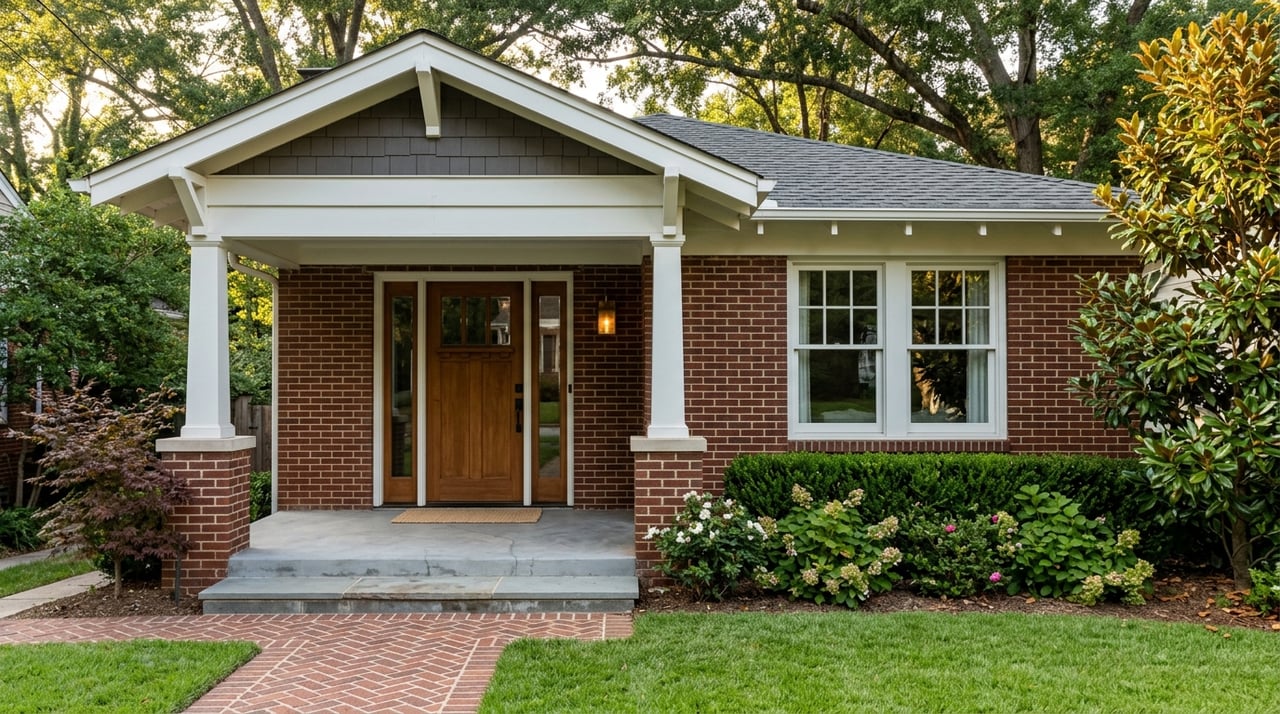
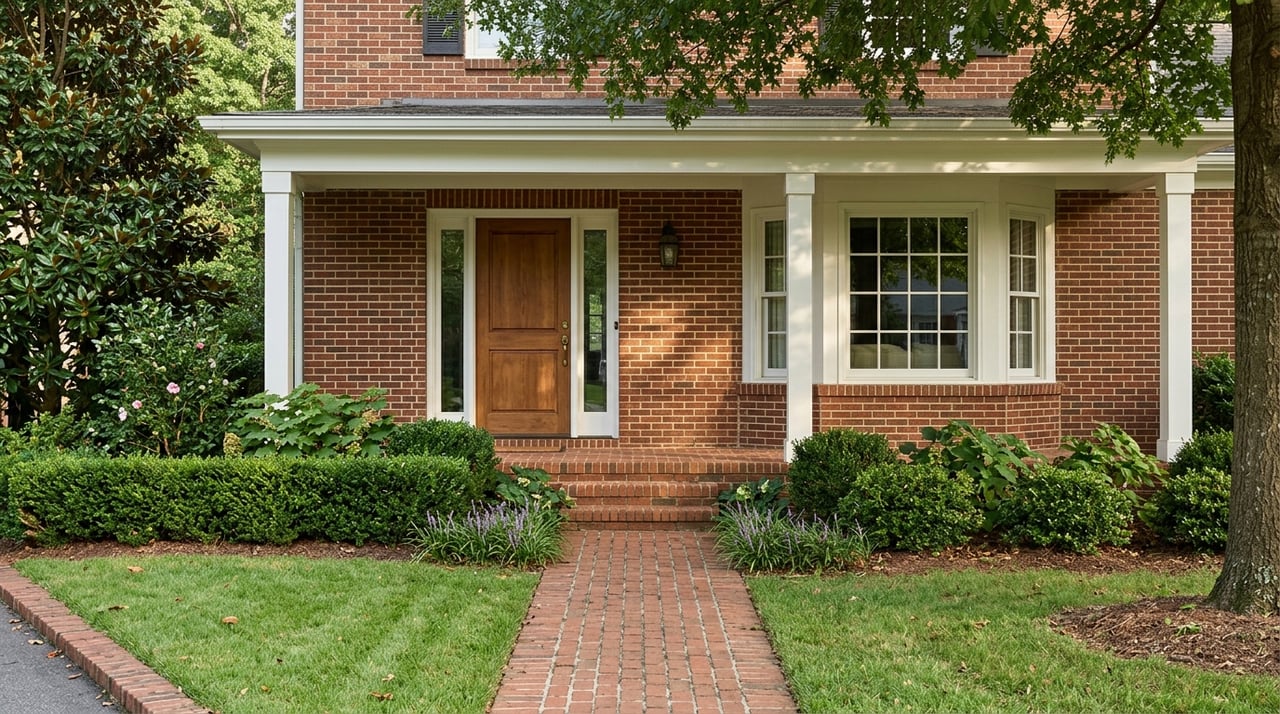
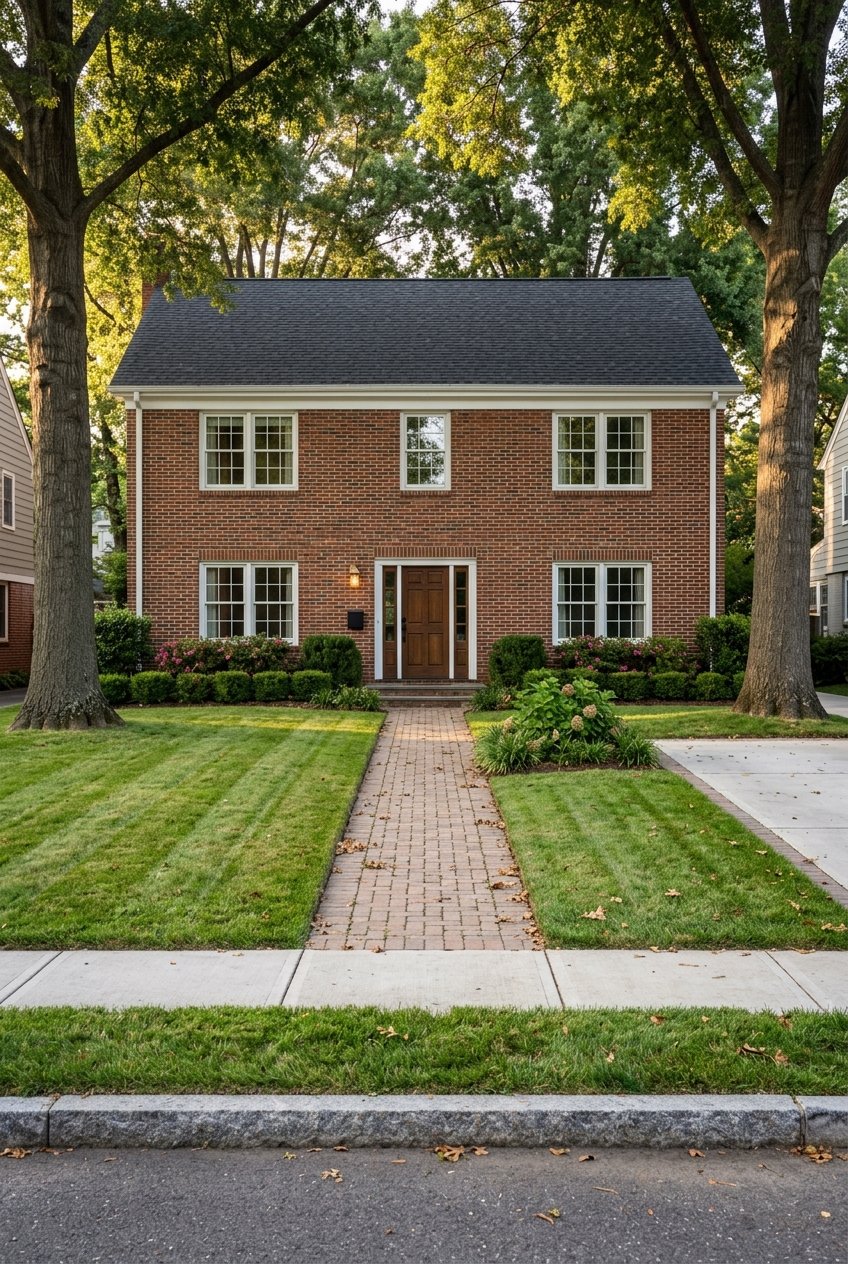
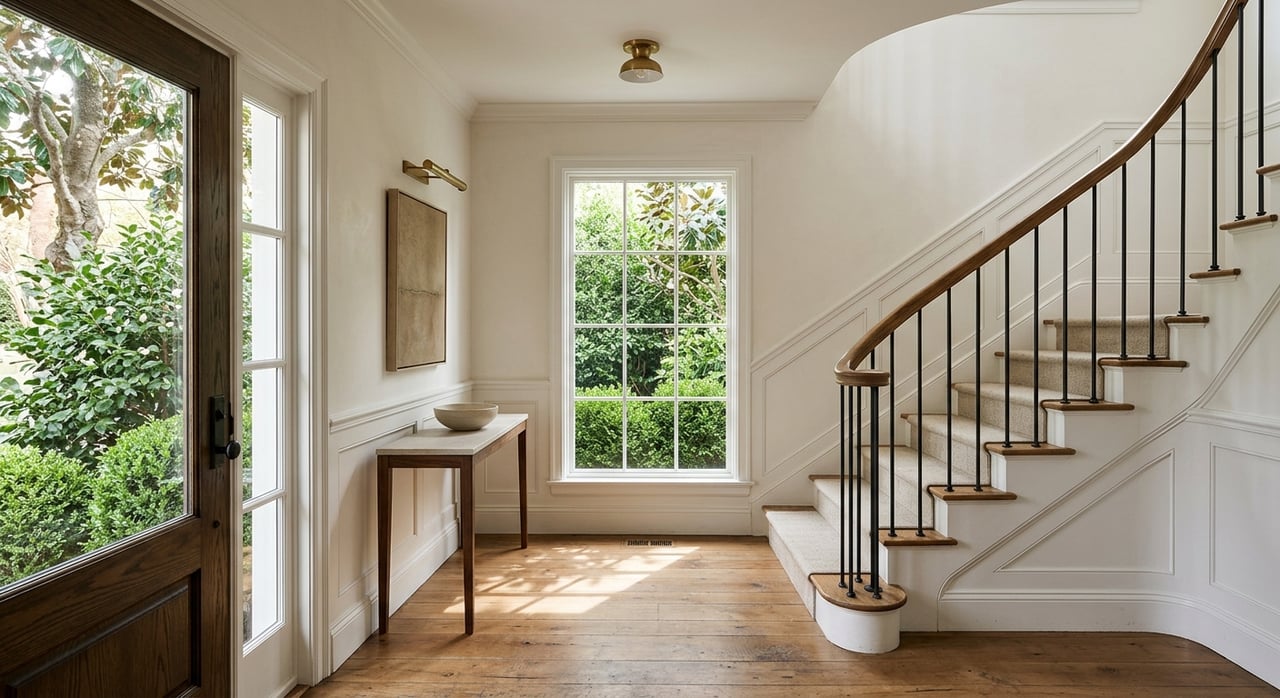
The housing character in Peachtree Hills is one of its strongest draws. The neighborhood is known for early 20th-century cottages, bungalows, and Craftsman-style homes, with some residences dating back to 1910.
At the same time, the housing mix is not limited to historic homes. Atlanta.com’s neighborhood overview through the City of Atlanta notes that the area also includes renovated older homes, a limited number of newer infill builds, plus some condo and apartment buildings.
That mix helps explain why Peachtree Hills appeals to a wide range of buyers. It offers architectural charm and a smaller-scale feel, but it also gives you more than one path into the neighborhood.
When you tour Peachtree Hills, a few patterns tend to stand out:
For buyers who want an intown location without a high-rise atmosphere, that balance can be especially appealing.
Peachtree Hills Park is the neighborhood’s central green space and social anchor. The City of Atlanta parks directory lists it as a 7.2-acre community park at 308 Peachtree Hills Ave NE, with a recreation center at the same address.
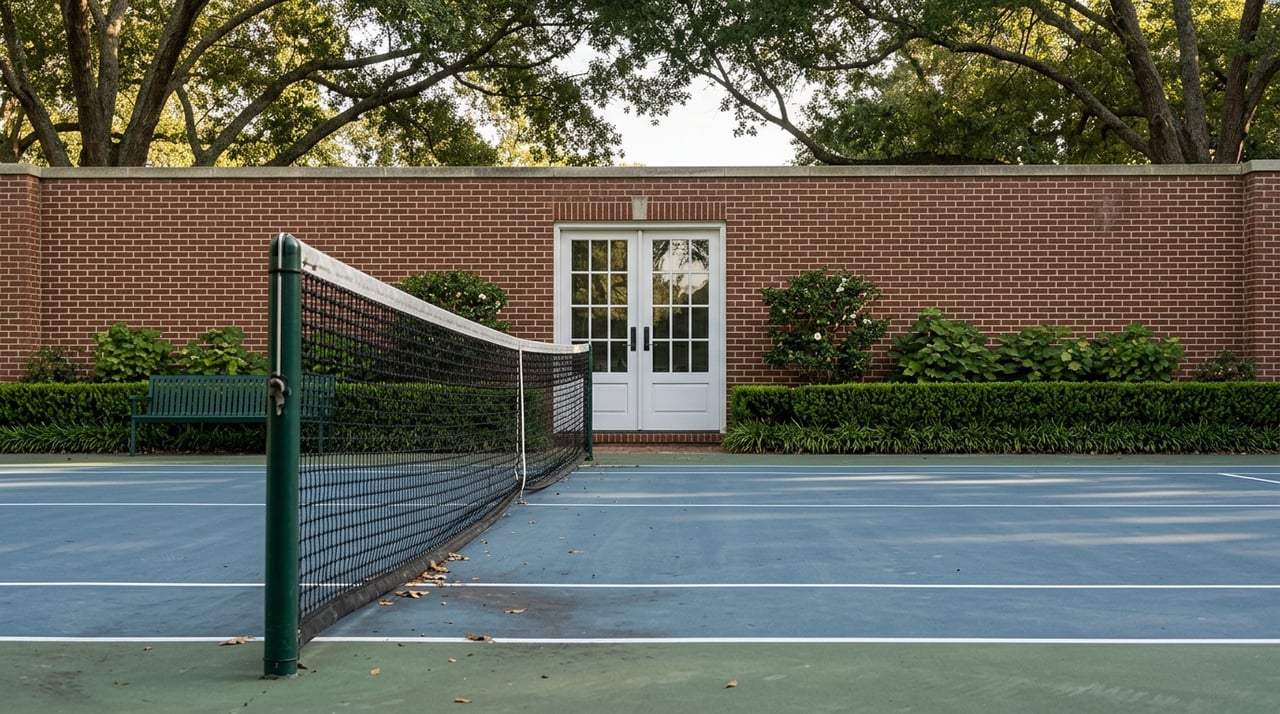
The park includes a playground, multipurpose field, and tennis courts with permanent pickleball lines. The recreation center also serves as an afterschool location for city programming, adding to the steady, everyday use of the space.
This matters because the park is more than just a nice amenity. In Peachtree Hills, it helps shape the neighborhood’s routine and sense of connection.
Peachtree Hills Park also benefits from strong local involvement. Friends of Peachtree Hills Park highlights efforts that helped create a community garden and support other park improvements.
Community events reinforce that active spirit. The civic association shares neighborhood traditions and gatherings that help make the park feel like a true gathering place, not just open space.
One of the most distinctive things about Peachtree Hills is that its commercial core feels modest and local in scale. Instead of reading like a major entertainment district, it feels more like a handful of familiar places woven into daily life.
A good example is ADAC, located at 351 and 349 Peachtree Hills Avenue NE. It is open to the public on weekdays, offers free visitor parking, and includes on-site dining options like The Hungry Peach and KR SteakBar.
Nearby, Treehouse Restaurant & Pub at 7 Kings Circle NE and Jalisco Restaurant at 2337 Peachtree Rd NE add to the neighborhood’s everyday appeal. Together, these destinations help create a village-scaled experience that feels easy and approachable.
Location is another major advantage. Peachtree Hills is near Peachtree Road, Piedmont Road, and Lindbergh Drive in south Buckhead, giving you practical access to other intown destinations.
For transit users, MARTA’s Lindbergh Center Station is on the Red and Gold lines and includes bus connections. That makes the neighborhood a strong option if you want a residential setting with straightforward regional access.
For many buyers, this is the real draw. Peachtree Hills combines neighborhood charm, usable green space, and convenient connectivity in a way that feels distinctly Buckhead but not overly dense.
Every buyer defines fit a little differently, but Peachtree Hills often stands out for people who want character and convenience in one place. If you are comparing Buckhead micro-markets, this neighborhood may be worth a closer look if you value:
It can also be a smart neighborhood to study if you are relocating and trying to understand the difference between Buckhead’s larger districts and its more tucked-away pockets.
Peachtree Hills may look simple at first glance, but like many intown micro-markets, its appeal is highly street-specific. Housing types vary, lot characteristics can differ, and the feel of one section may not be exactly the same as another.
That is where neighborhood-first guidance makes a difference. When you understand the history, housing mix, park-centered lifestyle, and access points, you can make a more confident decision about whether Peachtree Hills matches what you want from Buckhead living.
If you are exploring Peachtree Hills or comparing Buckhead neighborhoods, Anna Wynne Stephens can help you evaluate the streets, home styles, and market opportunities that best fit your goals.
Stay up to date on the latest real estate trends.
Bringing together a team with the passion, dedication, and resources to help our clients reach their buying and selling goals. With you every step of the way.
Get in Touch With Our Team to Learn More

Ansley Real Estate Christie's International Real Estate
3035 Peachtree Rd NE #202 Atlanta GA 30305